返去 Blog
eSIM2026年6月17日12 分鐘閱讀

Best eSIM for Europe Travel in 2026: Compare Plans, Coverage, and Tips

Planning a multi-country Europe trip? This guide explains how to choose the best eSIM for Europe travel in 2026, including coverage, data needs, setup tips, and comparison factors.

Best eSIM for Europe Travel in 2026: Compare Plans, Coverage, and Tips

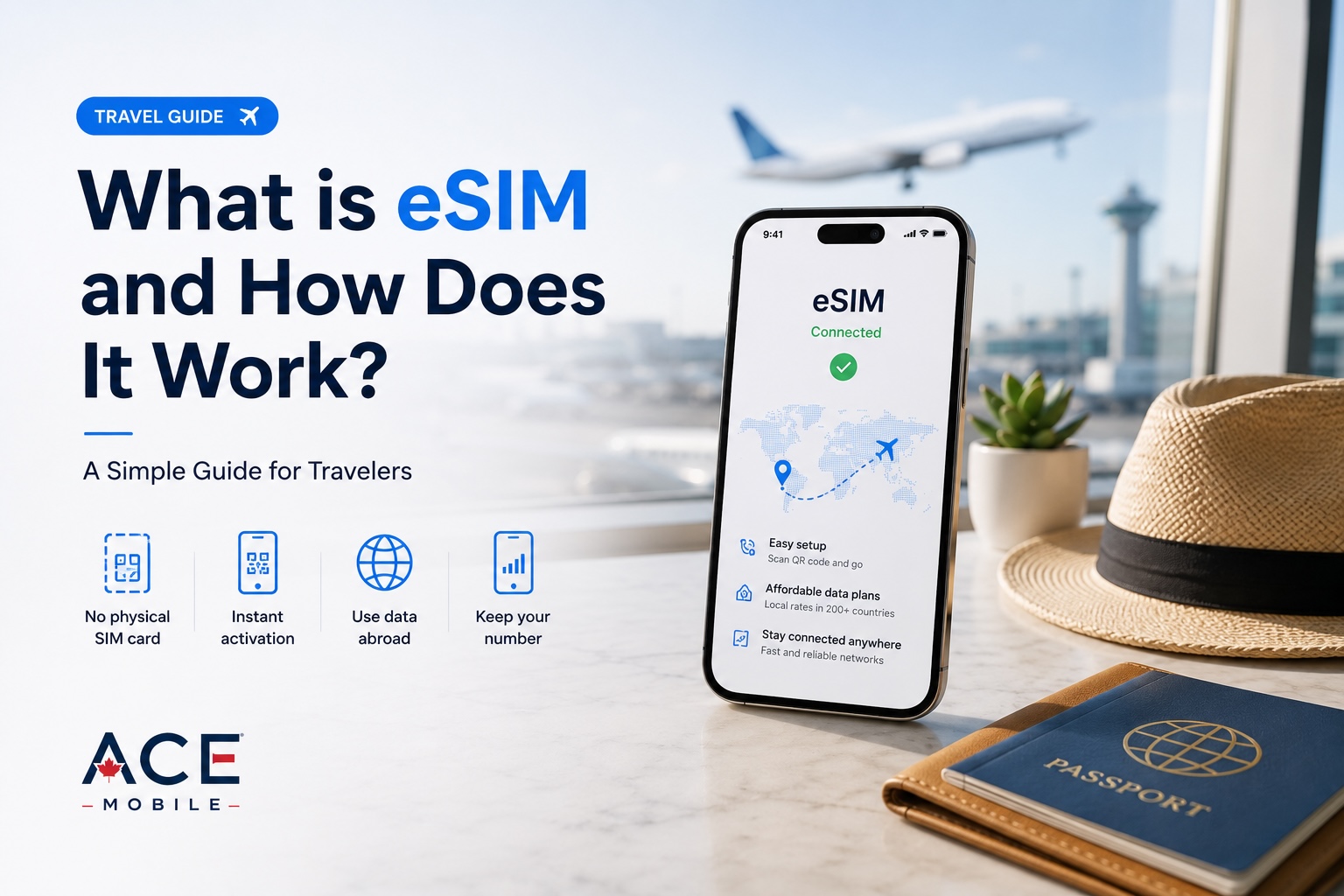
Europe is one of the best regions for using a travel eSIM. Many travelers visit more than one country in a single trip: France, Italy, Spain, Germany, Switzerland, the Netherlands, Portugal, Greece, or the United Kingdom. Instead of buying a new physical SIM card every time you cross a border, a Europe eSIM can help you stay connected with prepaid mobile data from the moment you land.

The best eSIM for Europe travel in 2026 is not always the cheapest plan or the plan with the biggest data allowance. The right choice depends on your route, trip length, phone compatibility, hotspot needs, and whether you want a regional Europe plan or a country-specific plan.

This guide compares the main types of Europe travel eSIMs, explains what to check before buying, and helps first-time eSIM users choose a practical plan without overpaying.

What Is a Europe Travel eSIM?

A Europe travel eSIM is a digital SIM plan that lets you use mobile data in one or more European countries without inserting a physical SIM card.

Instead of visiting a phone store at the airport, you usually:

  1. Buy an eSIM plan online.
  2. Receive installation instructions or a QR code.
  3. Install the eSIM on your compatible phone.
  4. Turn on the eSIM when you arrive.
  5. Use mobile data for maps, messaging, ride-hailing, translation, bookings, and browsing.

Most travel eSIMs are data-only. That means they usually do not include a local phone number, traditional SMS, or voice calls. For many travelers, that is fine because WhatsApp, FaceTime, iMessage, WeChat, Google Maps, Uber, email, and booking apps all work over mobile data.

Why Use an eSIM for Europe Travel in 2026?

A Europe eSIM is especially useful for multi-country trips. If you are visiting Paris, Amsterdam, Berlin, Prague, and Rome, a regional Europe eSIM can keep your phone connected across borders without buying separate local SIM cards.

Main Benefits

  • You can buy and install before departure.
  • No need to search for a SIM card store after landing.
  • No physical SIM card swapping.
  • Useful for multi-country Europe itineraries.
  • Often more predictable than pay-per-use roaming.
  • Your primary SIM can stay active for calls, SMS, or banking verification.
  • You can compare plans before your trip.

Possible Limitations

  • Your phone must support eSIM.
  • Your phone usually needs to be unlocked.
  • Many travel eSIMs are data-only.
  • Some plans may not include hotspot/tethering.
  • Coverage and speed can vary by country, local partner network, and location.
  • Pricing and plan availability can change, so always verify before publishing or purchasing.

Best eSIM for Europe Travel: What to Compare

There is no single “best” Europe eSIM for every traveler. The best choice depends on your trip.

Use these criteria when comparing Europe eSIM plans:

FactorWhy It MattersWhat to Look For
Country coverageEurope trips often cross bordersConfirm every country on your itinerary is included
Data allowanceMaps, video, hotspot, and social media use data quicklyChoose enough GB for your trip length
Validity periodA 7-day plan may not fit a 14-day tripMatch validity to your travel dates
Hotspot supportUseful for laptops, tablets, or travel partnersCheck whether tethering is allowed
Network type4G/LTE and 5G availability may varyLook for clear network information where available
Activation rulesSome plans start when installed; others start when connectedRead activation instructions carefully
Top-up optionsHandy if you run out of dataCheck whether you can add more data easily
SupportImportant for first-time eSIM usersChoose a provider with clear setup and troubleshooting help
Price transparencyCheap plans may have limitsCompare data, validity, countries, and restrictions together

Europe eSIM vs Local SIM vs Roaming

Travelers usually compare three options: travel eSIM, local physical SIM, or home carrier roaming.

OptionBest ForStrengthsLimitations
Europe Travel eSIMTourists visiting one or multiple countriesBuy before departure, quick setup, no store visitUsually data-only; phone must support eSIM
Local Physical SIMLong stays in one countryMay include local number and local bundlesRequires store visit, ID rules may apply, less convenient for multi-country trips
Home Carrier RoamingShort trips or business travelers who need their main numberSimple, uses existing numberCan be expensive depending on carrier and plan
Pocket Wi-FiGroups needing shared dataConnects multiple devicesExtra device to carry and charge

For most international travelers, a Europe eSIM is the most convenient balance of flexibility and control. For long stays in one country, a local SIM may still be worth comparing. For travelers who need their home number active for calls and SMS, using a travel eSIM for data while keeping the primary SIM available can be a practical setup.

How Much Data Do You Need for Europe?

Your ideal data amount depends on how you travel. A light traveler who mostly uses hotel Wi-Fi needs much less than someone who uploads videos, uses hotspot, or works remotely.

Trip StyleTypical UseSuggested Data Range
Light travelerMaps, messaging, email, occasional browsing3GB–5GB per week
Average travelerMaps, social media, ride-hailing, translation, browsing5GB–10GB per week
Heavy travelerVideo calls, frequent uploads, hotspot, remote work15GB+ per week
Family or group hotspot userSharing data with multiple devicesLarger plan or unlimited-style plan if hotspot is allowed

These are planning estimates, not guarantees. Video streaming, cloud backup, social media uploads, and hotspot use can consume data quickly. Before traveling, turn off automatic app updates, photo backup, and background downloads on mobile data.

Regional Europe eSIM or Country-Specific eSIM?

For Europe travel, you will usually see two plan types.

Regional Europe eSIM

A regional Europe eSIM covers multiple countries under one plan. This is usually the best option if you are visiting several destinations.

Good for:

  • First-time Europe trips
  • Backpacking or rail travel
  • Multi-city holidays
  • Business travel across several countries
  • Travelers who do not want to manage multiple plans

Before buying, confirm whether non-EU destinations on your route are included, such as the United Kingdom, Switzerland, Turkey, Norway, Iceland, or certain Balkan countries. Europe eSIM coverage lists vary by provider.

Country-Specific eSIM

A country-specific eSIM is designed for one destination, such as France, Italy, Spain, Germany, or the United Kingdom.

Good for:

  • Single-country vacations
  • Longer stays in one country
  • Travelers who want a plan focused on one network market
  • Trips where regional coverage is unnecessary

A country-specific eSIM may be cheaper or offer more data for one destination, but it can be less convenient if your route changes.

Europe eSIM Comparison: What Type Is Best?

Traveler TypeRecommended eSIM TypeWhy
First-time Europe visitorRegional Europe eSIMSimple setup for multiple countries
One-country travelerCountry-specific eSIMUsually more focused and potentially better value
Digital nomadLarger data regional planBetter for longer stays and work apps
Budget travelerFixed-data prepaid planHelps control spending
Heavy video/social userHigh-data plan with hotspotBetter for uploads and sharing
Business travelerPlan with reliable support and clear activationLess risk during tight travel schedules
Family travelerLarger plan or multiple eSIMsAvoids one person running out of data

Device Compatibility: Will Your Phone Work With a Europe eSIM?

Before buying any Europe eSIM, check three things:

  1. Your phone supports eSIM.
  2. Your phone is unlocked.
  3. Your destination plan supports your device and country route.

Many newer iPhone, Google Pixel, and Samsung Galaxy models support eSIM, but compatibility depends on model, region, and carrier lock status.

iPhone Tips

On iPhone, go to:

Settings → Cellular / Mobile Service → Add eSIM

If you see the option to add an eSIM, your phone likely supports eSIM. You should still confirm your iPhone model and whether it is carrier unlocked.

Android Tips

On Android, the wording varies by brand. Try:

Settings → Network & Internet → SIMs → Add SIM / Download eSIM

or

Settings → Connections → SIM Manager → Add eSIM

If you do not see an eSIM option, check your phone model and region-specific support.

How to Install a Europe eSIM Before Travel

For first-time users, the safest approach is to install the eSIM before leaving home, while you still have reliable Wi-Fi.

Step-by-Step Setup

  1. Buy your Europe eSIM plan.
  2. Read the activation instructions before scanning the QR code.
  3. Connect to Wi-Fi.
  4. Install the eSIM on your phone.
  5. Label it clearly, such as “Europe Travel.”
  6. Keep your primary SIM active if you need calls or SMS.
  7. Turn off data roaming on your home SIM to avoid unwanted roaming fees.
  8. When you land in Europe, turn on the travel eSIM for mobile data.
  9. Enable data roaming on the travel eSIM if the provider requires it.
  10. Test maps, messaging, and browsing before leaving the airport.

Important: Some eSIM plans start their validity period when installed, while others start when they first connect to a supported network. Always check the provider’s activation rules.

Common Europe eSIM Mistakes to Avoid

Buying Too Little Data

A 1GB plan may be enough for emergency maps and messaging, but it is often too small for a full Europe trip. If you use Instagram, TikTok, YouTube, hotspot, or video calls, choose more data.

Forgetting to Check Country Coverage

“Europe” does not always mean every European country. Confirm the exact coverage list before buying, especially for Switzerland, the UK, Turkey, Iceland, Norway, and the Balkans.

Installing Too Late

Do not wait until you are standing at baggage claim with weak airport Wi-Fi. Install the eSIM before your flight, unless the provider specifically says not to.

Using Data on the Wrong SIM

After arrival, make sure your phone is using the travel eSIM for mobile data. Keep your home SIM available only for calls/SMS if needed, and turn off roaming on your home SIM unless you want to use it.

Assuming Every eSIM Has Calls and SMS

Most travel eSIMs are data-only. Use internet-based calling and messaging apps, or keep your primary SIM active if you need to receive SMS verification codes.

What About EU Roaming Rules?

EU “Roam Like at Home” rules are helpful for people with mobile plans from EU/EEA operators traveling within the EU/EEA. However, they generally do not mean that a visitor from Canada, the United States, Hong Kong, Australia, or another non-EU market gets free roaming on their home mobile plan.

International travelers should still check their home carrier’s roaming fees before travel. A prepaid Europe eSIM can be useful because it gives you a separate travel data plan with clear limits.

When ACE Mobile May Be a Good Fit

ACE Mobile provides prepaid travel eSIM plans for travelers who want to connect before they land. For Europe trips, ACE Mobile can be a practical option for travelers who prefer a simple data-first setup, clear prepaid usage, and the ability to prepare mobile data before departure.

When comparing ACE Mobile with other Europe eSIM providers, check:

  • Whether your destinations are included
  • Data allowance and validity
  • Activation instructions
  • Device compatibility
  • Hotspot availability
  • Support options
  • Current pricing before purchase

The best choice is the plan that fits your actual itinerary, not just the one with the biggest headline data number.

Quick Recommendation Guide

Choose a regional Europe eSIM if:

  • You are visiting two or more countries.
  • You want one plan for the whole trip.
  • You are arriving late or moving quickly between cities.
  • You prefer setup before departure.

Choose a country-specific eSIM if:

  • You are staying mostly in one country.
  • You want to compare local-value options.
  • Your trip is longer and focused on one destination.

Choose home carrier roaming if:

  • Your carrier includes affordable Europe roaming.
  • You need your regular number for calls and SMS.
  • Convenience matters more than cost.

Choose pocket Wi-Fi if:

  • Several people need shared data.
  • You do not want to install anything on your phone.
  • You do not mind carrying and charging another device.

FAQ

What is the best eSIM for Europe travel in 2026?

The best eSIM for Europe travel is usually a regional Europe eSIM if you are visiting multiple countries. For one-country trips, a country-specific eSIM may offer better value. Always compare coverage, data, validity, hotspot support, activation rules, and current price.

Does a Europe eSIM include a phone number?

Most travel eSIMs are data-only and do not include a phone number. You can usually use WhatsApp, iMessage, FaceTime, WeChat, Telegram, Google Maps, email, and other apps over mobile data.

Can I use hotspot with a Europe eSIM?

Some Europe eSIM plans allow hotspot, while others restrict it. Check the plan details before buying if you need to connect a laptop, tablet, or another traveler’s phone.

Should I install my eSIM before flying to Europe?

In most cases, yes. Install it while you have reliable Wi-Fi at home, then activate or turn it on according to the provider’s instructions. Check whether the validity period starts at installation or first network connection.

Can I keep my normal phone number while using a Europe eSIM?

Usually yes, if your phone supports dual SIM. Many travelers keep their primary SIM active for calls or SMS and use the travel eSIM for mobile data. Be careful to disable data roaming on your home SIM if you want to avoid roaming charges.

Is eSIM better than a physical SIM in Europe?

For short trips and multi-country travel, eSIM is often more convenient. For long stays in one country, a local physical SIM may still be worth comparing, especially if you need a local number.

Final Thoughts

The best eSIM for Europe travel in 2026 is the one that matches your route, data needs, phone, and comfort level. For most international travelers, a regional Europe eSIM is the simplest option because it works across multiple destinations and can be installed before departure.

Before buying, confirm your phone supports eSIM, check that every country on your itinerary is included, and choose enough data for your real travel habits. A little preparation before your flight can make arrival in Europe much smoother.

Related Articles

References

eSIMTravel eSIMEurope eSIMInternational Travel+6 個更多

探索 ACE Mobile eSIM 計劃。

揀目的地、安全結帳、透過電郵接收 eSIM,幾個步驟就可以連線。

睇計劃